Paola Chiarugi
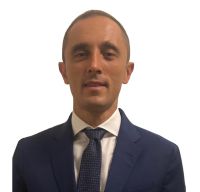
Paola Chiarugi is an Italian biochemist and Full Professor of Biochemistry at the University of Florence. Her research investigates how cancer cells adapt to their microenvironment and how interactions with stromal and immune cells influence tumor progression, metastasis and resistance to stress. A central focus is the role of lactate as both a metabolic substrate and a signal connecting metabolism with epigenetic regulation.
 |
| Born |
| September 5, 1965, Florence, Italy |
| Education |
| University of Florence, Italy |
| Fields |
| Biochemistry; cancer metabolism; tumour microenvironment; metastasis; metabolic regulation of epigenetics |
| Institutions |
| University of Florence, Italy |
| Assistant Professor, 1998-2001; |
| Associate Professor, 2001-2005 |
| Full Professor, 2005-present |
Education and career
Chiarugi graduated in Biology from the University of Florence in 1989, obtained her PhD in Biochemistry in 1996 and completed a Specialization in Clinical Biochemistry in 2000. Her early research focused on Src family tyrosine kinases, tyrosine phosphatases, signal transduction and the molecular mechanisms of chemotaxis.
She was appointed Assistant Professor of Biochemistry at the University of Florence in 1998, Associate Professor in 2001 and Full Professor in 2005.
She directed the Department of Experimental and Clinical Biomedical Sciences from 2016 to 2020. She leads the Metabolomics Core Facility within the department’s Molecular Medicine Facility, whose platforms support mass spectrometry, metabolic flux analysis and cellular bioenergetics for cancer metabolism research.
She served as President of the Italian Society of Biochemistry and Molecular Biology in 2023–2024 and as Past-President in 2025–2026. Her scientific service also includes membership of the FEBS Fellowships Committee (2013–2016), as well as editorial and peer-review activities for international journals.
Research interests
Redox signaling and cancer cell plasticity
Chiarugi’s early research examined how oxidative stress and redox signaling regulate cancer cell survival and migration. Her work investigated resistance to anoikis, the cell death normally induced by detachment from the extracellular matrix, and the contribution of Src and EGFR signaling to this process. She also studied how cancer cells switch between mesenchymal and amoeboid modes of movement in response to microenvironmental conditions, including oxidative stress, acidity and hypoxia.
Tumor:stroma and metabolic interactions
Her group investigated reciprocal interactions between cancer cells, cancer-associated fibroblasts and immune cells, particularly in prostate cancer. These studies showed how stromal signals promote epithelial-to-mesenchymal transition, stem-like properties and resistance to anoikis. A major contribution was the characterization of a lactate shuttle linking cancer-associated fibroblasts and prostate cancer cells. This reciprocal metabolic reprogramming enables cancer cells to use stromal lactate and sustain oxidative metabolism. Work on lactate-dependent immune regulation also examined how lactate influences CD4+ T-cell polarization and supports an immunosuppressive microenvironment. Subsequent studies investigated lipid metabolism, mitochondrial transfer and metabolic interactions that support tumor progression.
Metabolism and epigenetic regulation of metastasis
Her more recent research has focused on how a lactate-rich microenvironment reshapes gene regulation and metastatic behavior. Her group demonstrated that lactate rewires lipid metabolism and supports a metabolic-epigenetic axis in prostate cancer, and that it promotes cancer cell production of extracellular matrix components involved in metastatic behavior. Current research extends these questions to protein lactylation, including histone lactylation, and to mechanisms that protect disseminating cancer cells from anoikis and ferroptosis.
